The disturbing muses
The disturbing muses: is a famous work by the Italian painter Giorgio de Chirico, made in 1917. This canvas is an emblematic example of the metaphysical movement, of which De Chirico was one of the founders.
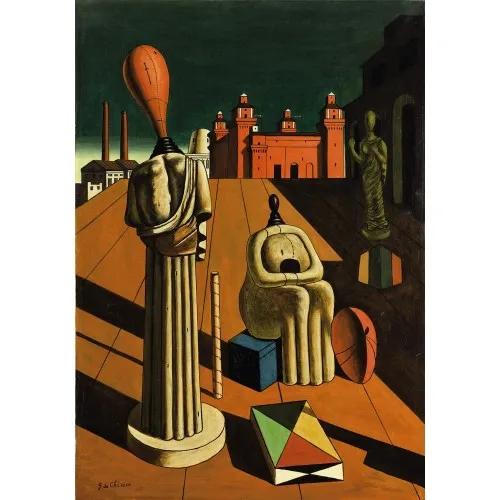

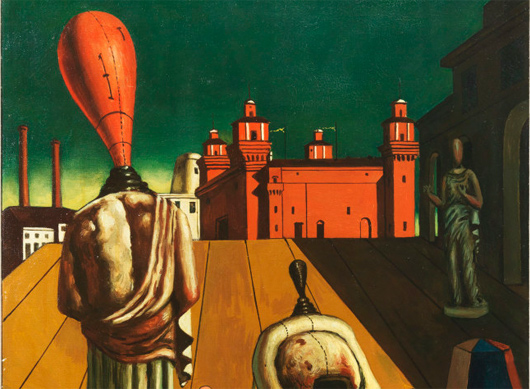
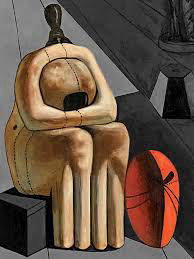
I like to talk about this work because The painter enigmatically brings several elements together, each of which symbolizes an aspect of reality: the mannequins (symbols of the human being devoid of identity), the Renaissance castle of Ferrara (symbol of culture and history) and the chimneys of a factory (symbols of the alienated work of man); in this way he intends to make us reflect on the illusory of the meaning of things. His art is called metaphysics, an adjective that means "abyond physical reality", because he wants to express the mysterious, and therefore disturbing, aspect of reality.
Who is the painter?
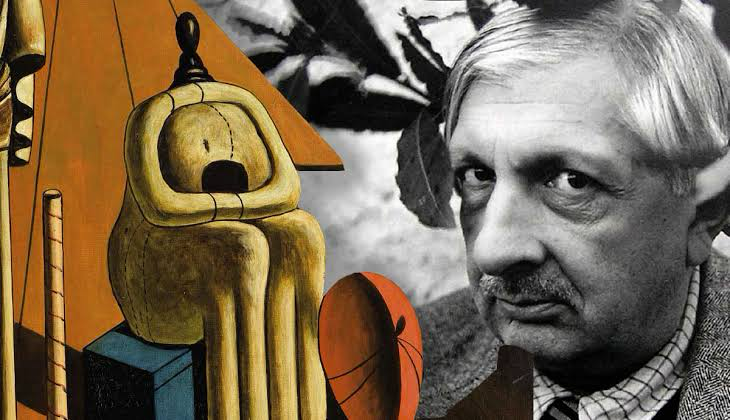

The Painter: Giorgio de Chirico (1888-1978) was born in Greece to Italian parents and spent most of his life in Italy. He is known for his unique approach to art, which combines classical elements with a modern and surrealist vision.
Other Famous Works
In addition to "The Disturbing Muses", De Chirico created other significant works, including:
1. The mystery and anguish of a journey: A work that explores themes of travel and introspection.
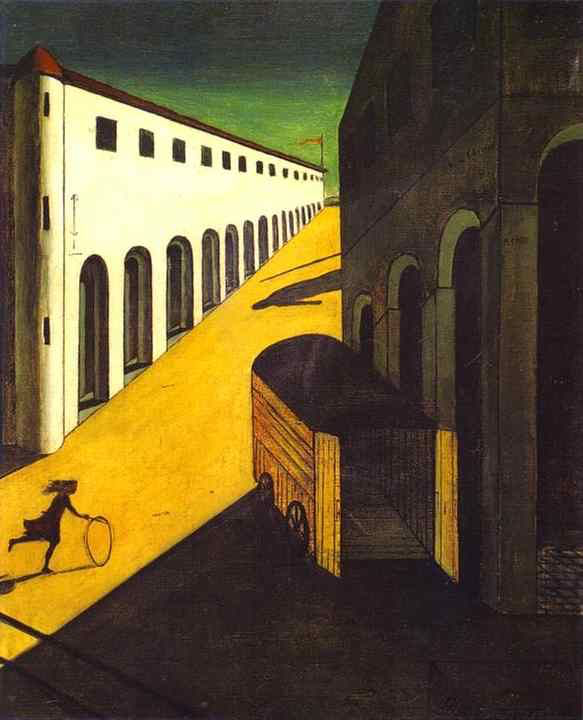

2. The red tower: An architectural representation that evokes feelings of loneliness and nostalgia.
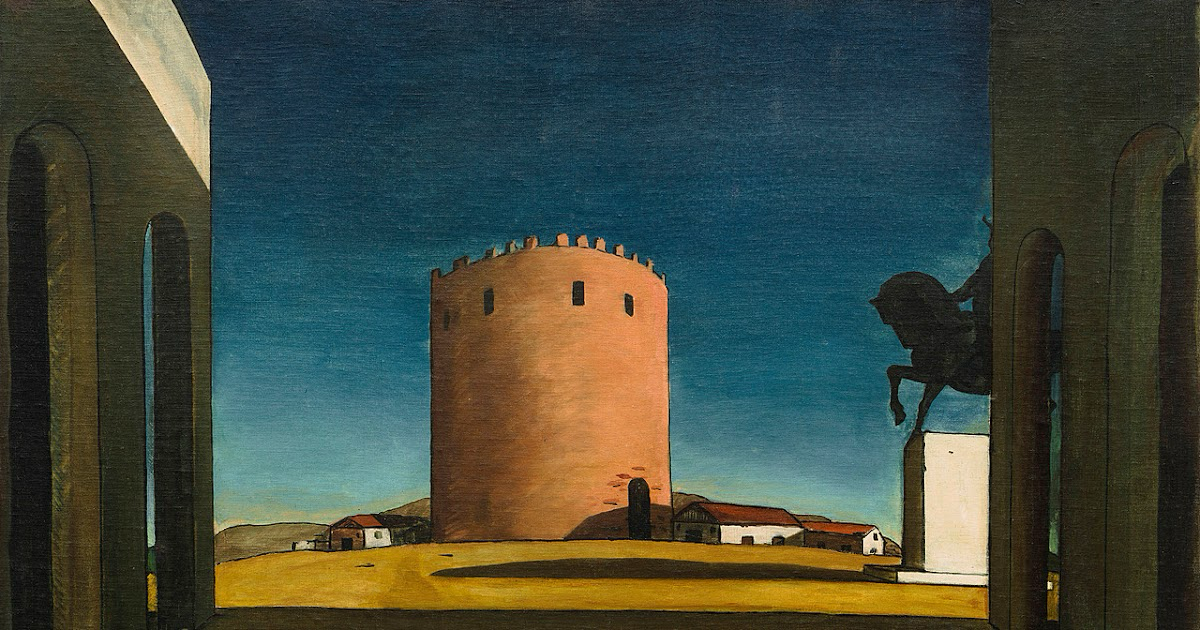

3. The song of love: Another emblematic work that plays with deep symbols and meanings.
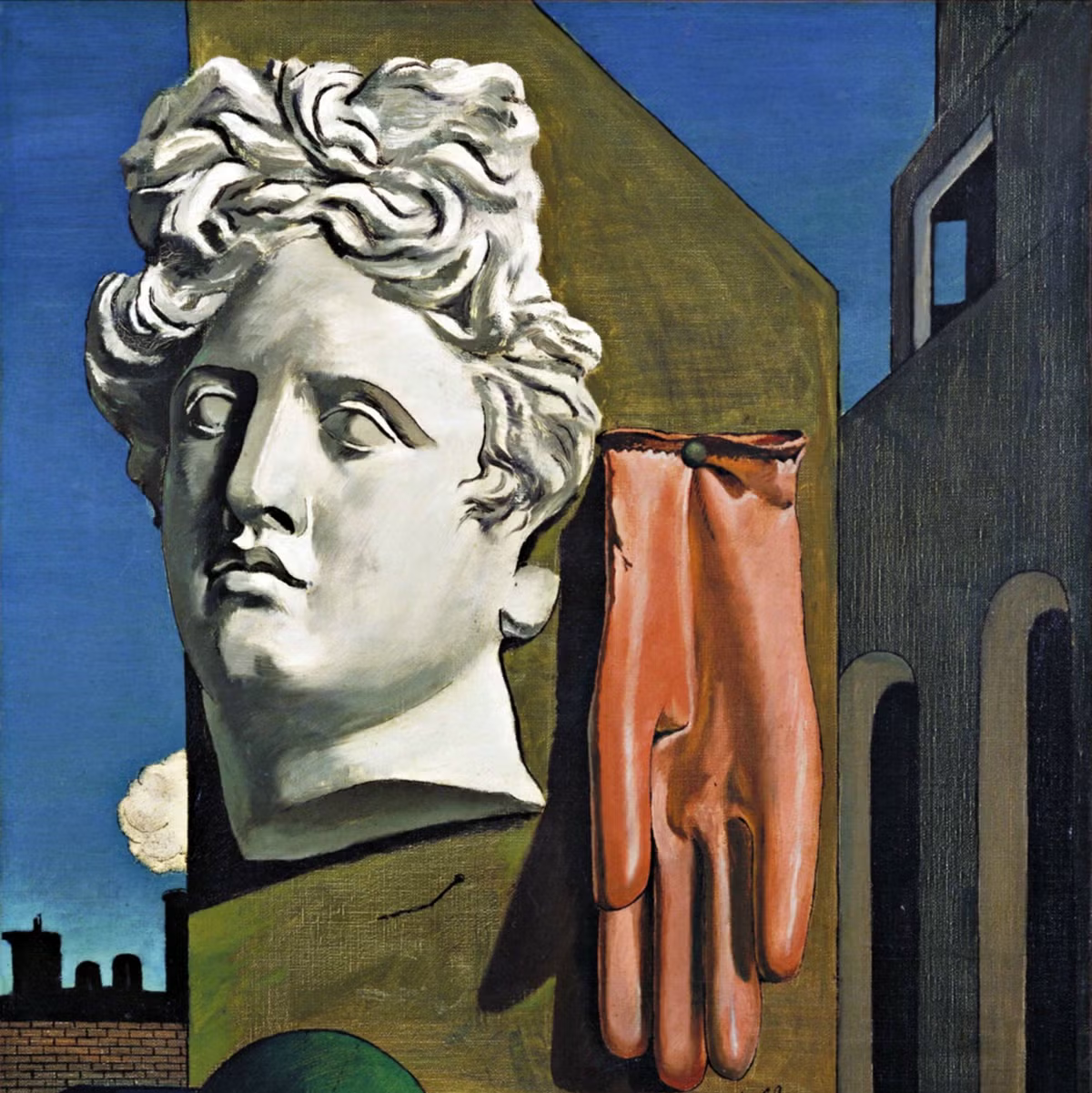 

4. Nostalgia of the past: In this canvas, De Chirico explores the theme of memory and time, creating an atmosphere of melancholy.
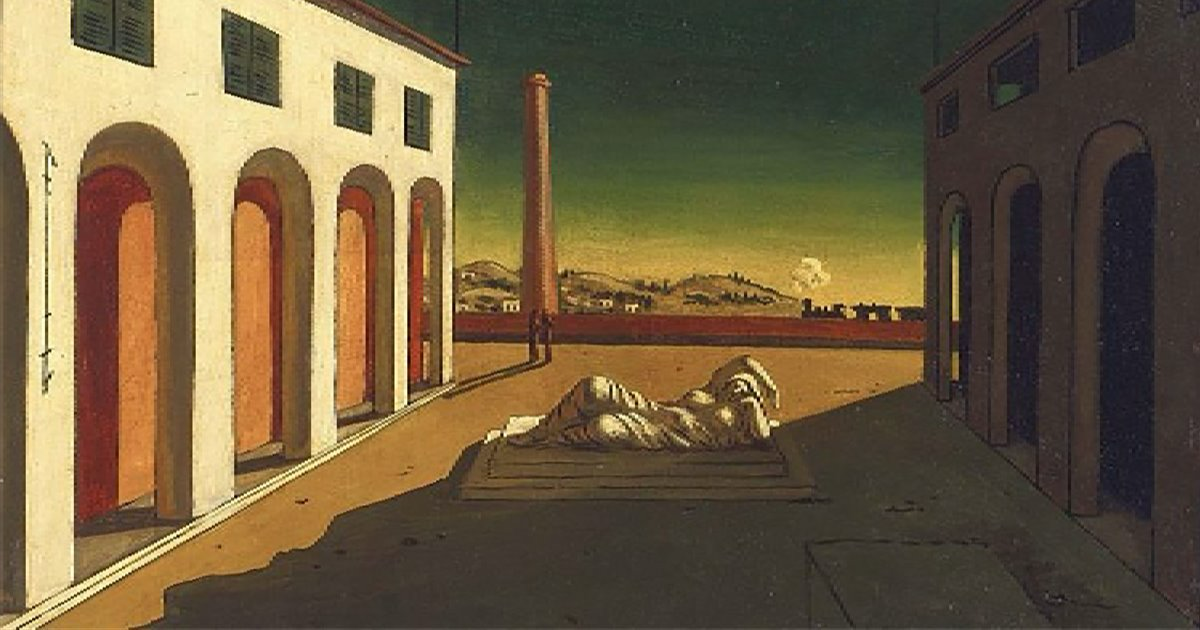
Giorgio de Chirico influenced many artists of the twentieth century, helping to shape the panorama of modern and contemporary art with his unique style and innovative ideas.
Here is the link to the video dedicated to this article👉🏻 https://youtu.be/ciybWJDsMZs?si=RiHi6bvFirFKbvHp


Comments
Post a Comment